
London Fixing Testing Ltd provides accurate, independent, fixing pull-out testing to verify the performance and load capacity of anchors, fixings, and fasteners, installed into concrete, masonry, brickwork, blockwork, and stonework. Our testing services help ensure structural safety, regulatory compliance, and confidence in your fixing selection and installation designs.
Fixing pull or pull-out testing is a non-destructive or destructive on-site test used to measure the tensile load at which a fixing reaches a specified load or fails. It confirms whether installed fixings and anchors meet the required performance or provides test data to help in the selection of the most suitable fixing type for the intended application.
Pull-out testing is required when:
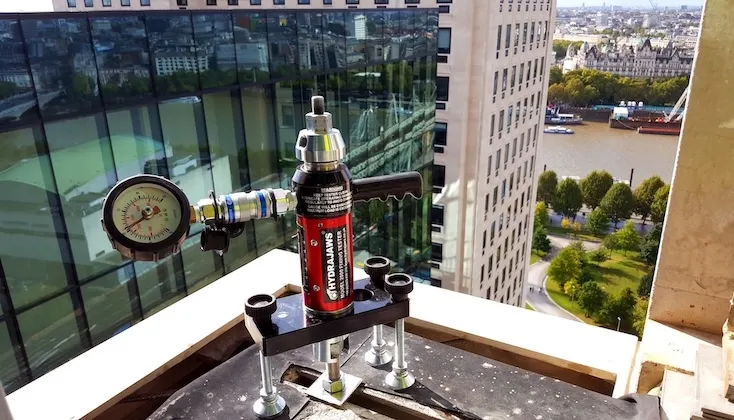
BS8539 & CFA guidance specifies 3 types of fixings tests:
Your on-site testing will be performed using calibrated hydraulic pull-out test equipment and conducted by an experienced and qualified CFA advanced tester trained civil engineer.
We carry out pull-out testing on a wide range of fixings:
And in the following base materials:
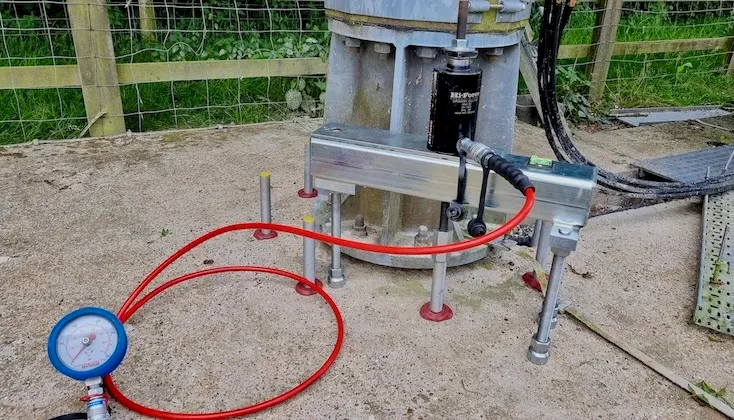
Our fixing pull-out testing is carried out in accordance with relevant industry guidance, including:
We provide clear, traceable results suitable for submission to:
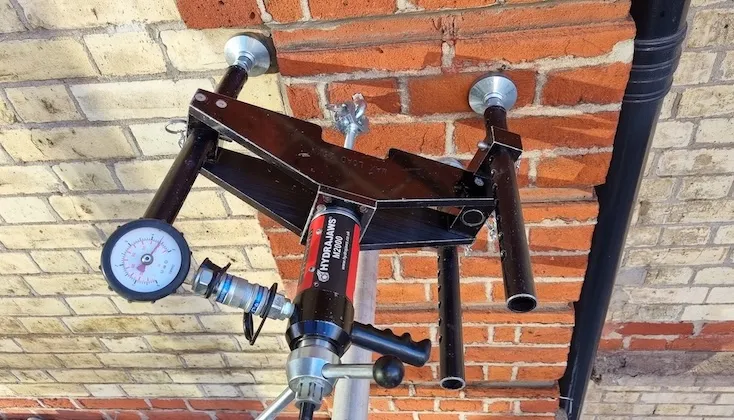
Following testing, we issue a comprehensive pull-out test report. Reports are issued within 24hrs so work on site can continue uninterrupted.
Test reports include:
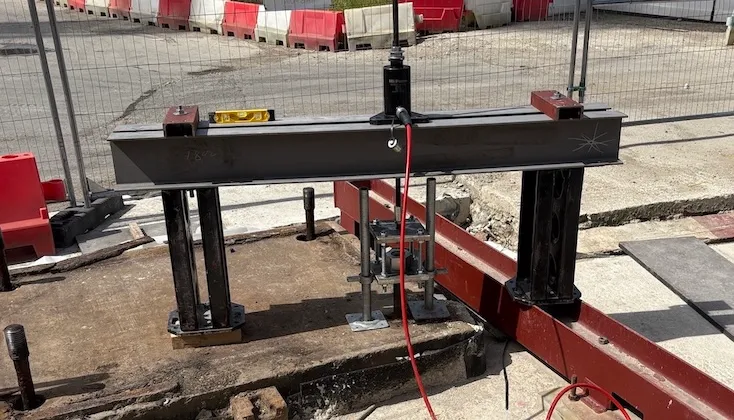
We work closely with contractors, engineers, and designers to deliver testing that is practical, reliable, and compliant.
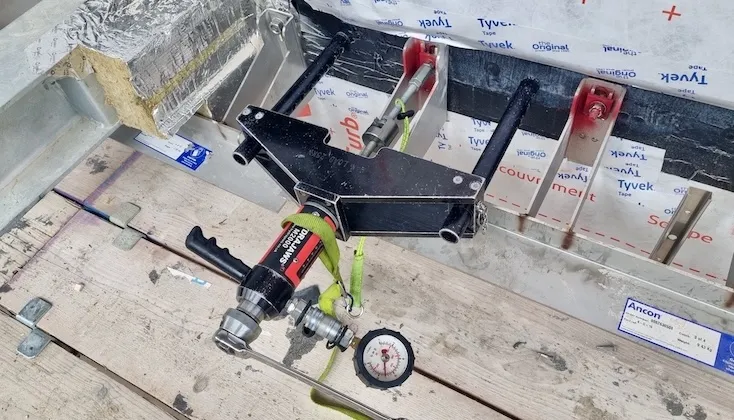
Pull-out testing is often specified for:
If you are unsure whether pull-out testing is required for your project, our team is happy to advise.
Sectors we work in: Residential | Retail | Hotels | Historic & Iconic Buildings | Transport | Education | Medical | Sports & Leisure | Energy & Infrastructure | Parks & Gardens
Shangri-La Residence, St John's Wood Square, Southbank Place, Sugar House Island, Barking Riverside

The O2, Harrods, Canary Wharf, Westfield, Liberty's, Marks & Spencer, Sainsbury's

Claridge's, The Savoy, Mandarin Oriental, The Westbury, The Berkeley

Battersea Power Station, British Library, The Shard, BBC Television Centre, Brettenham House, Smithfield Market

London Heathrow Airport, London King's Cross, London Bridge, London St. Pancras Stations

Imperial College, University of Hertfordshire, Highgate School

Charing Cross, Great Portland Street, Hammersmith, Royal Berkshire, Royal Marsden

Twickenham Stadium, Newbury Golf Club, Fulham F.C. Craven Cottage
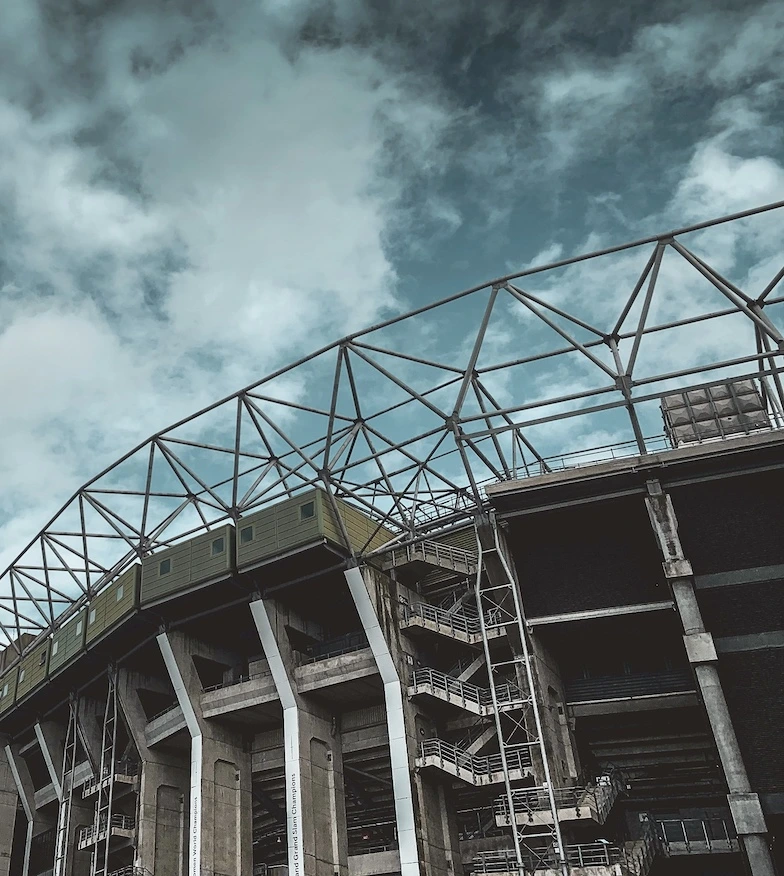
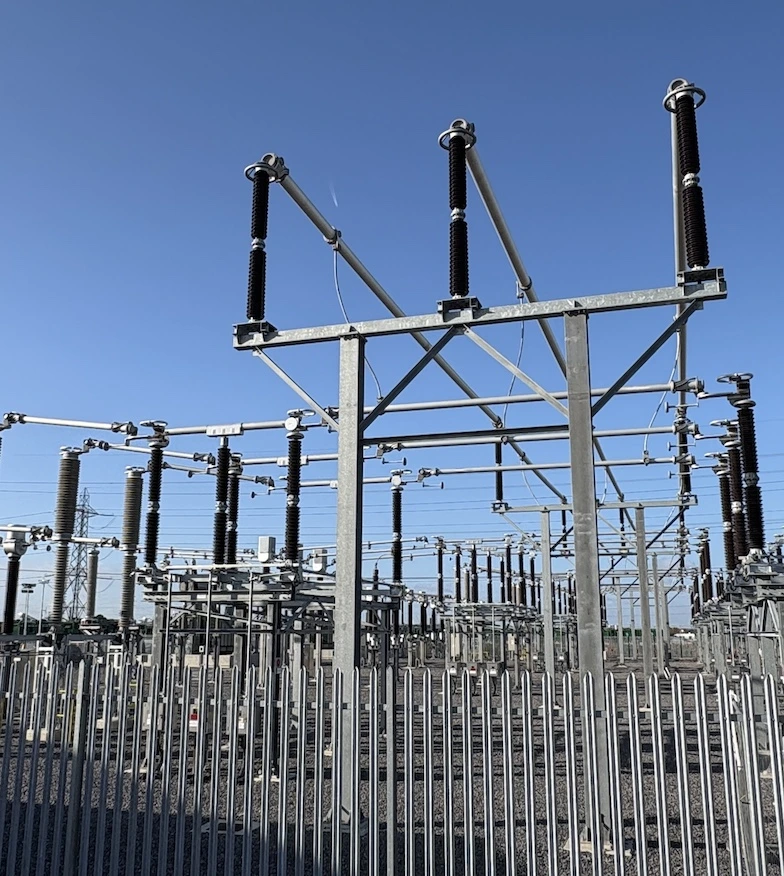
Thames Tideway, Navigator Terminals Thames, Sharnbrook Viaduct, Thurrock Energy Storage
Lower and Upper Grosvenor Gardens, Bessborough Gardens, St Marylebone Parish Gardens

For urgent work we offer a same day test and certification service (subject to availability). Typically we can attend site within 2–3 working days. Call us to discuss your requirements.
The number of tests depends on the purpose and type of testing needed, and on the project specification. BS 8539 recommends proof testing 2.5-5% of an installation, with a minimum of 3 fixings. For sample testing, BS 8539 recommends 5 - 15 fixings tested to a factored load or to destruction.
With good access provided, between 20 - 50 pull tests.
Yes, call one of our engineers, we can arrange this for you.
Yes, please let us know your work is urgent.
We issue test reports within 24 hours of testing on-site. A detailed pull-out test report is provided, including test loads applied, failure mode if applicable, photographs, and engineer observations.
We provide testing services in and around London, and travel across the UK for larger scale or more complex projects.
Typically this is not required, as we gather necessary information via a phone call or our one page form, that you can send to your advising engineer to complete and return, with drawings or photos from site.
Proof testing checks the quality of installation. Preliminary and ultimate load testing provide information on the performance of sample fixings installed into a particular base material on-site.
We specialise in providing independent fixings testing and do not supply or install fixings. We typically direct clients to fixings suppliers like Hilti, Fischer and Rawlplug.
We suggest clients to speak to their advising engineer, fixings specifier or supplier.
No, these fixings are load tested to different British Standards. Please ensure you select an appropriately qualified, experienced and competent service provider to conduct this type of testing.
Whether it's pull out testing of Hilti, Fischer or Rawlplug anchors, SWL testing of lift shaft beams, or pull off adhesion testing of screeds, tiles, or coatings – we handle it all with zero hassle.
Get peace of mind and total compliance today.
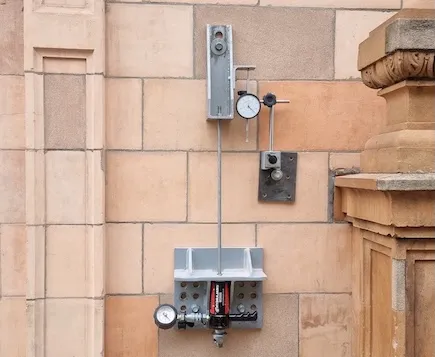
Shear load testing of fixings, anchors & brackets.
Lateral testing of fixings to BS 8539 and CFA guidelines.
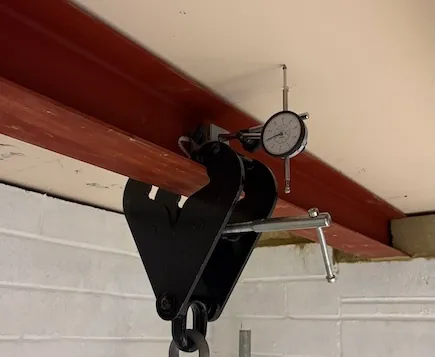
Load testing & certification of lifting beams & runway beams in accordance with BS 2853 & LOLER.
Get in touch for same day testing and certification.
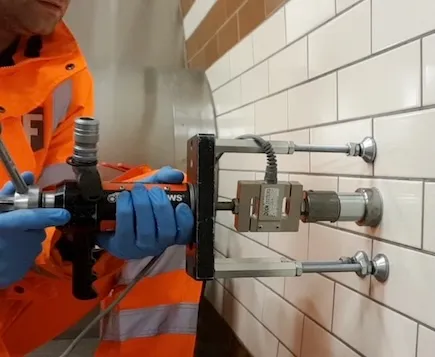
Pull off testing of coatings, screeds, tiles and adhesives.
Tensile testing to client specification and applicable standards.
